

Expert Exchange
Deeper Dive: Facing Rising Rents in Greater Baltimore
5 Steps Every Business Should Take
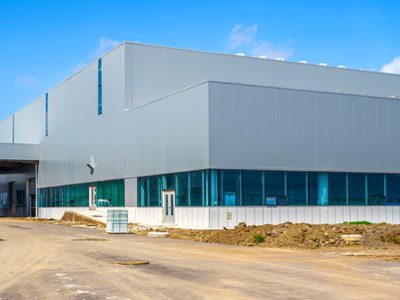
Many companies that operate in flex and warehouse buildings across the greater Baltimore metropolitan area are experiencing sticker shock when their leases come up for renewal. Even tenants that have benefited from years of predictable rent increases are now facing larger adjustments than expected. Understanding why this is happening locally, and how to prepare for it, puts you in the driver’s seat instead of reacting when the renewal notice shows up.
Why flex and warehouse rents have risen in greater Baltimore
Most flex and warehouse leases include annual rent escalations of 2% to 3%. For many years, those increases generally stayed in line with fair market rents in the Baltimore region. Over the past several years, that relationship has changed. Market rents for flex and warehouse space have been increasing much faster, often 5% or more annually.
Demand has come from multiple directions at once. E-Commerce, third party logistics providers, last mile delivery operators, light manufacturers, and companies bringing operations closer to home, have all been competing for similar space. At the same time, new construction has become expensive to deliver. Higher land and construction costs mean new flex and warehouse space has to lease at higher rents, pulling the entire market upward. Buildings near the Port of Baltimore and strong labor pools have become especially competitive, adding to higher rents across the region.
When market rents rise faster than contractual increases, a gap forms. That gap usually shows up all at once at renewal. It is like your rent dollar is trying to downshift while driving uphill but not gaining any power. The good news is that business owners who rent are not powerless. A proactive approach can materially change the outcome of your lease renewal.
5 Steps Every Business Should Take
1) Get started early: Time is one of your most valuable negotiating tools. Begin planning at least twelve months before lease expiration. In our market, a lease negotiation can take 2 months or it can take 18 months depending on size and complexity. Starting early reduces pressure, avoids surprises, and gives you options. Waiting too long often leads to rushed decisions and fewer choices, which usually favors the landlord.
2) Validate your assumptions: Before negotiating, take a hard look at whether your current space still fits your business. Do you have the right amount of space, or are you paying for square footage you no longer need? Does your mix of office, showroom, and warehouse still reflect how you operate today? Is your location still the best choice for labor, suppliers, and customers? Is it more cost effective to rent or own your property? This step is about challenging assumptions and focusing on facts, not simply renewing your lease because it feels easier.
3) Validate your cost to move: Moving costs are more than just rent. They can include downtime, relocation expenses, build out costs, and operational disruption. At the same time, many of these costs can be offset through leasing concessions or the benefits of better configured space. Understanding your true cost to move allows you to compare staying versus relocating on a realistic basis. Without this analysis, tenants can overestimate the pain of moving and underestimate the leverage it can create.
4) Test the market: Think about how your own customers buy. For high value, high stakes projects, your clients ask for bids from you and your competitors before making a decision. They weigh upfront costs, long term value, and who is willing to sharpen their pencil. You should approach your lease the same way. When landlords know they are competing, concessions improve, and the economics of moving can often look very different than expected. This step helps you understand whether your landlord’s proposal is reasonable and gives you leverage in negotiations.
5) Create a credible fear of loss: Even if your goal is to stay, the best renewal terms usually come when the landlord believes you can and will move. That credibility is built with facts, not hearsay. Market data, documented alternatives, and a clear understanding of your numbers matter. Landlords tend to be most flexible when a forthcoming vacancy feels real, not theoretical.
If managing this process on your own feels overwhelming, hiring a commercial real estate broker can save time and add experience. Just know that not all brokers are the same. Dual agency occurs when a brokerage firm represents both the tenant and the landlord, or has ongoing business with the landlord through other properties or services. This would not be allowed in professions like law or accounting, but it is legal in commercial real estate, which is why it often feels murky. While many brokers act in good faith, the concern is structural. A landlord client can represent 10x to 20x the revenue of a single tenant transaction, creating incentives that are rarely discussed. Fortunately, there are brokerage firms that exclusively represent tenants, and are structured to protect the tenant’s position, preserve leverage, and negotiate without competing loyalties.
When you start early, test the market, understand your leverage, and align yourself with representation that answers only to you, you can navigate the commercial real estate marketplace with the same confidence and discipline you bring to running your business.
Michael Singer is the Co-Founder of Singer Damareck Real Estate and a 25+ year veteran of tenant representation. He advises business owners and C-suite executives throughout the greater Baltimore metropolitan area on property strategy and negotiation, with a singular focus on protecting tenant interests. Michael can be reached at mike@singerdamareck.com