Trend Watch
New efforts help contain equipment costs
Amid all the high construction costs, equipment costs likely aren’t the greatest cause of stress among contractors. But in a period of limited construction starts and tighter margins, they also can’t be ignored.
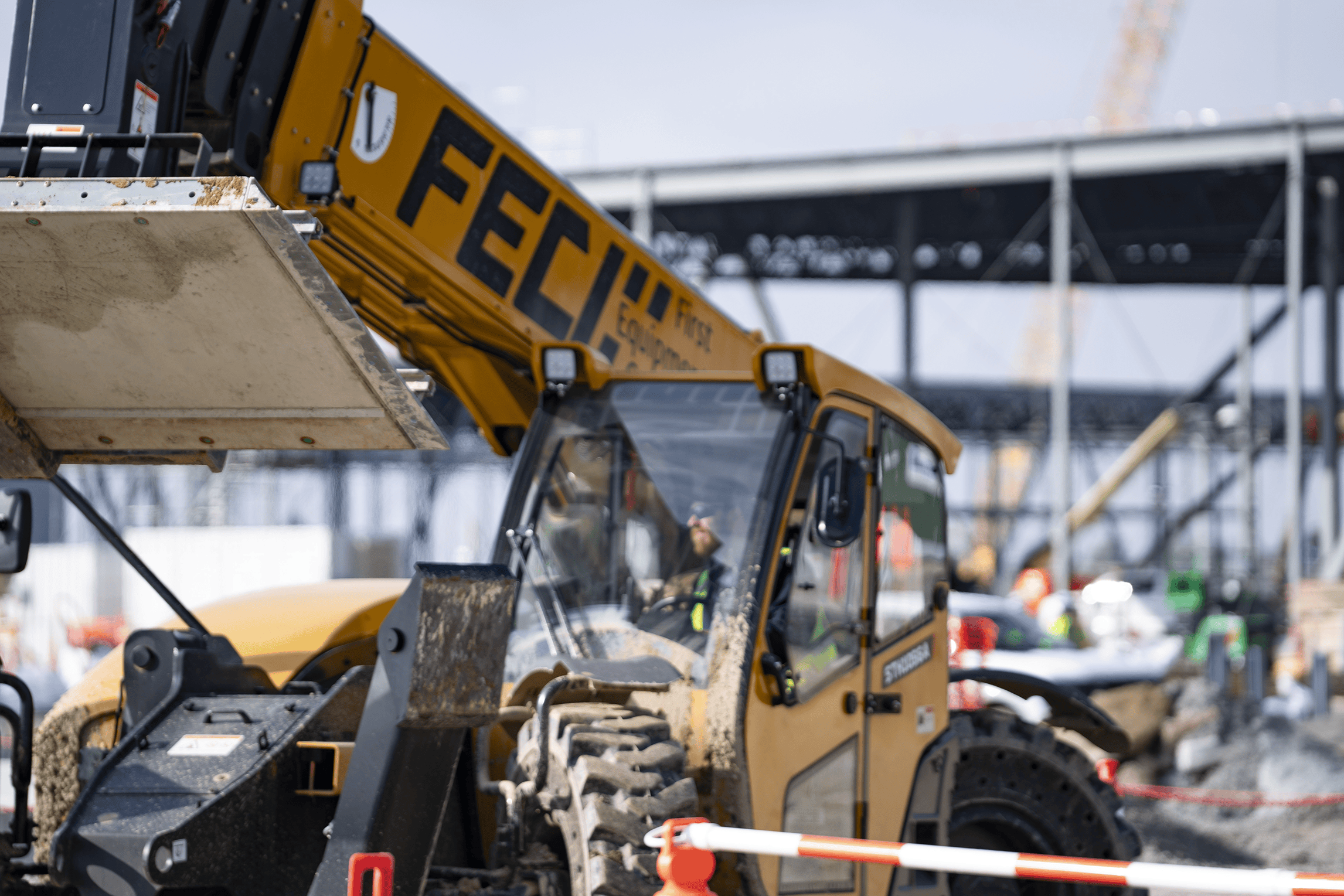
After a stretch of higher (sometimes dramatic) price escalation, the rental costs of excavators, cranes, lifts, skid steers, generators and other equipment have been relatively flat over the past year. According to the U.S. Bureau of Labor Statistics, rental rates for industrial equipment rose just two percent in the year ending in June 2026.
Slow construction starts in 2025 prompted some subcontractors to absorb those added costs in order to win work, said Steven Phillips, Senior Vice President of Estimating + Preconstruction at DAVIS Construction. “But with more projects moving forward and some cost increases due to tariffs and the war, we’re seeing subs be a bit more selective this year and increasing their pricing.”
Price volatility, especially connected to fuel costs, is also prompting “more subs to say their proposal is good for 30 days or two weeks,” Phillips said.
In the face of those budget pressures, some construction companies are launching new efforts – and finding new opportunities – to contain equipment costs.
Streamlined sourcing
Early this year, Turner Construction Company established First Equipment Company (FEC) to provide centralized equipment rental and site services on Turner projects.
While large, centralized sourcing can generate price discounts from suppliers, “the opportunity and benefits are much bigger than just the equipment rental rate,” said Adam Siegmann, Northeast Equipment Operations Lead at FEC. “Historically, there has been a lot of waste in this space. A project might have a skid steer sitting onsite two weeks longer than needed, and you end up paying next month’s rent.”
By managing the life cycle of all equipment on projects, FEC can get pieces off rent in a more timely manner, Siegmann said.
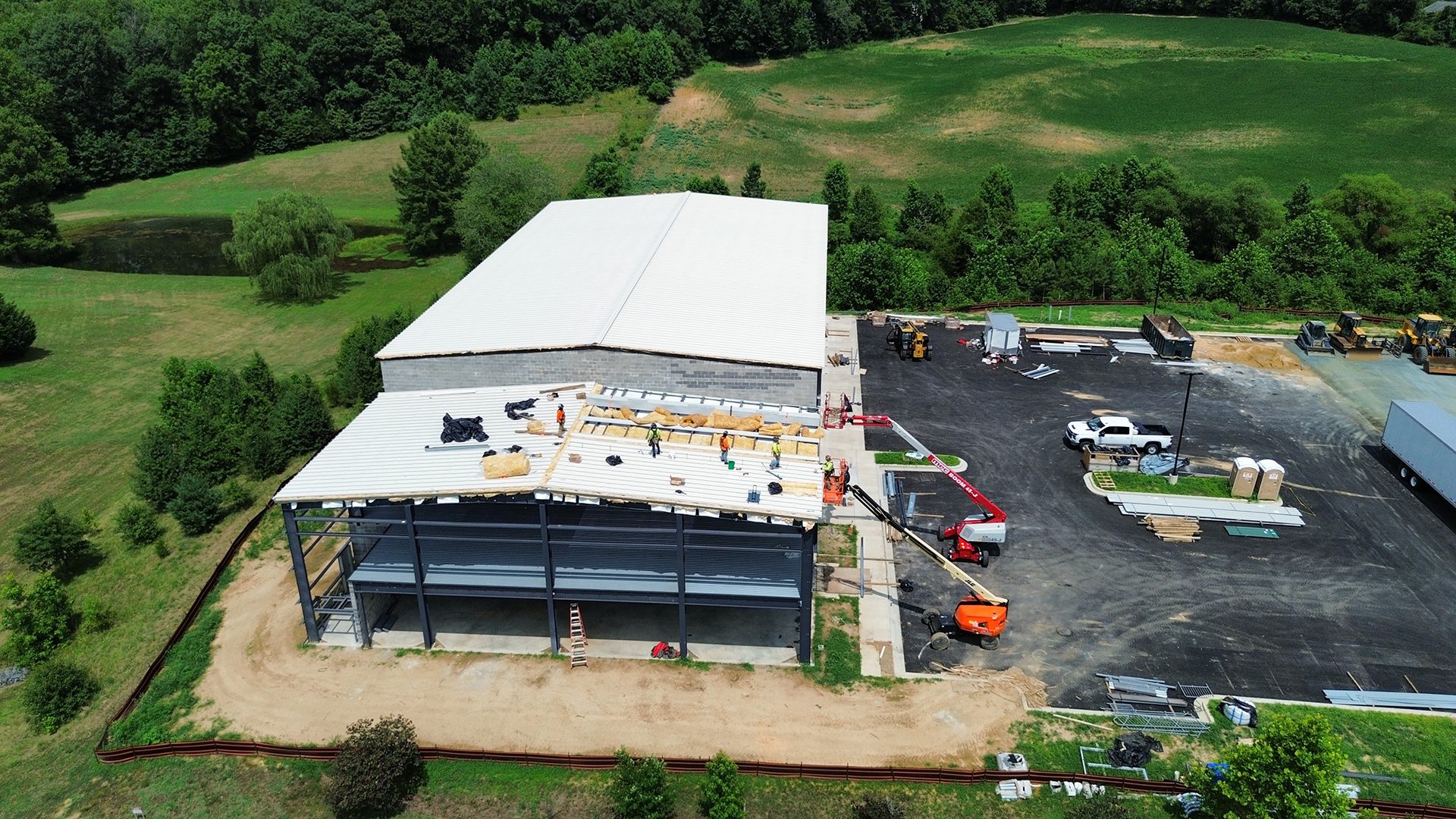
The centralized service boosts efficiency by relieving project managers and superintendents from time-consuming responsibilities of sourcing equipment, he said. It can also reduce equipment downtime on sites and improve safety.
Siegmann points to a data center project in Pennsylvania which required more than 60 scissor lifts. Centralized sourcing ensured all lifts were identical and included a safety feature (a laser perimeter system) that Turner prefers.
“In the past, you would have seen a variety of makes and models of scissor lifts on site in different conditions and with different safety features,” he said. “You also would have dealt with the nightmare of different pieces of equipment going down at different times and not knowing who to call for repairs.”
Power plays
After several years of price spikes (up to 36 percent a year), generator costs have also flattened. But the current price point has left contractors with a challenge and an opportunity.
“If you have a large, multi-phase project that is lasting five years or longer, you are looking hard at how do you keep your costs down for temporary power,” said Laura Kelly, Business Development at Kelly Generator and Equipment.
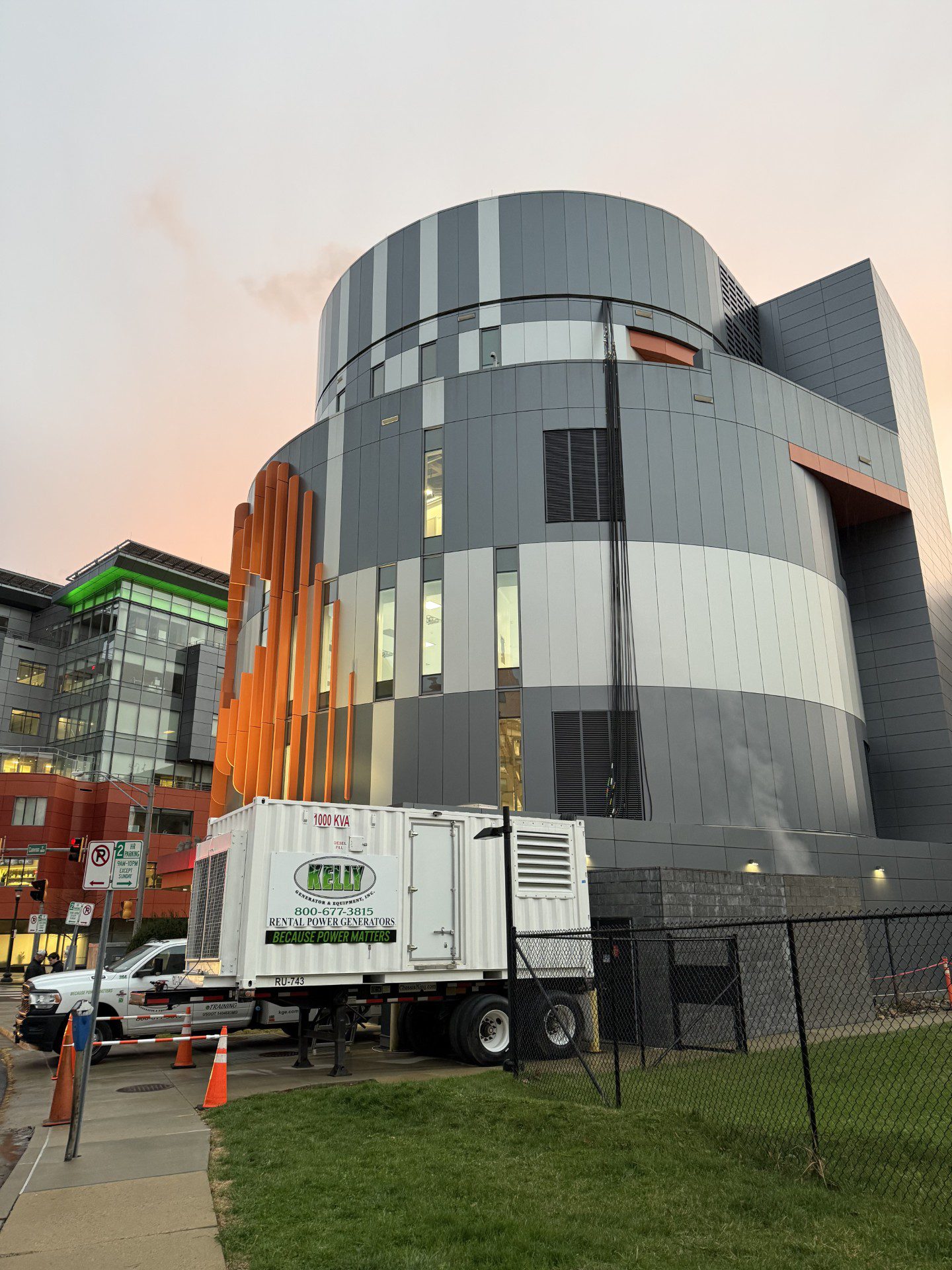
One of Kelly’s clients, Hirsch Electric, recently faced that challenge on the buildout of a senior living community, she said. Kelly Generator was able to compare the cost of renting generators as needed versus buying a generator outright. They determined a purchase was the better financial option. That option was made more attractive by the healthy resale market.
“There are companies whose business model is to buy used, standby generators and resell them,” Kelly said. “When the time comes, we can talk to those resellers and help our clients get the best deal.”
High fuel costs have prompted some contractors to take additional initiatives this year.
“I have seen some larger companies stand up temporary power maintenance divisions,” Kelly said. “They go around to jobsites and do evaluations to make sure generators are properly maintained and are not running when they are not needed.”
At some locations, Turner and FEC have started using hybrid generators which charge battery banks as they run.
“It’s a perfect example of how we are realizing savings on both equipment and fuel costs, while also moving forward on sustainability,” Siegmann said.
Featured companies: DAVIS Construction, Hirsch Electric, Kelly Generator and Equipment, Turner Construction Company