
Trend Watch
Drones become part of core construction equipment
In just four years, Turner Construction Company went from conducting zero drone flights to completing more than 3,600 flights over 400 jobsites in a year.

For Turner and other companies, drones are quickly becoming an important construction tool, helping them improve safety, productivity, billing, construction quality and their ability to land future contracts.
Derek Rolfe, Central Region VDC Manager with Turner, admits that his initial goal for drone use was simple: find a less expensive way to capture project photos. Using third-party suppliers of drone services, Turner soon began realizing a wealth of other benefits.
“There’s data associated with these pictures,” Rolfe said. “For example, the higher end cameras can see and reproduce topography. You can digitize that, create a 3D topo and that can show you how much dirt you need to move.”
Drones with infrared cameras can complete thermal scans of buildings and highlight hot or cold spots that might be caused by a water leak or insulation gap.
“When we’re excavating a huge chunk of material, drones can take photos and laser scans of adjacent buildings to determine if anything is moving,” Rolfe said. “With the right tools, we can get measurements within a quarter inch through aerial imaging.”
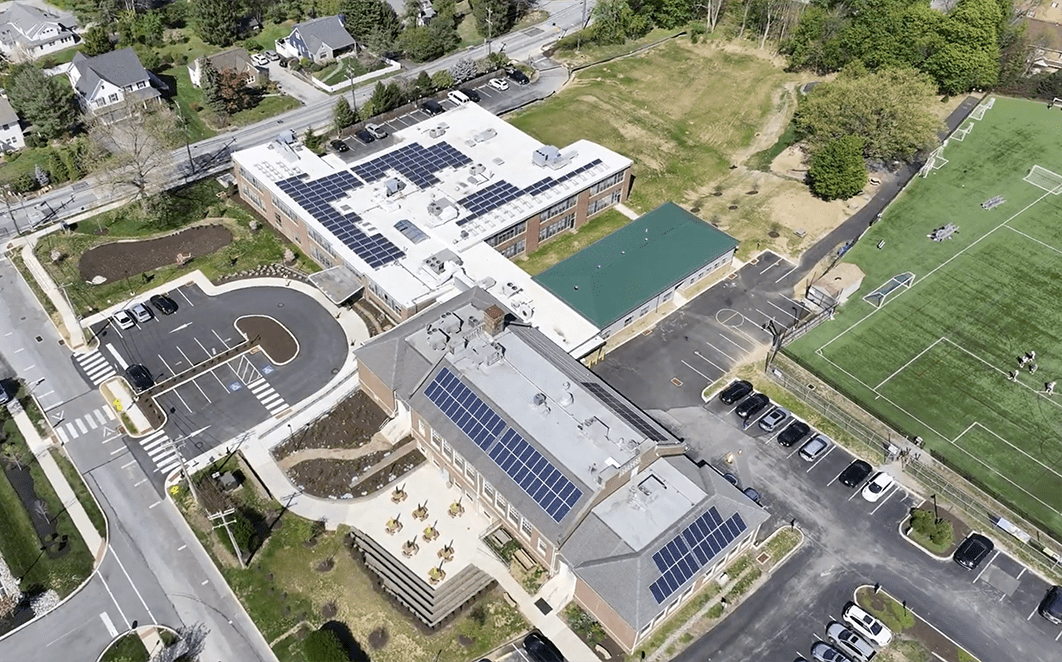
A widespread benefit of Turner’s drone program can be seen in the growing number of superintendents who have fallen in love with the technology. Regular, weekend drone flights over jobsites enable supers to quickly review site conditions on Monday morning and identify key issues.
“Now, they can start their day creating strategies to address issues without having to spend the first two or three hours of the day driving around making notes,” Rolfe said.
Images and data from drone flights also readily focus the attention of project partners on key issues.
As a result of drone use, “collaboration has increased exponentially,” Rolfe said. “More eyes on the target makes everybody more efficient and produces better results with less stress.”
Leaders at Bala Consulting Engineers were so convinced of the value of drone use that they developed their own inhouse drone flight and video production service.
Jennifer Kamienski, Director of Marketing and a licensed drone pilot, said the inhouse service has proven to be cost-effective and capable of delivering images tailored to Bala’s needs.
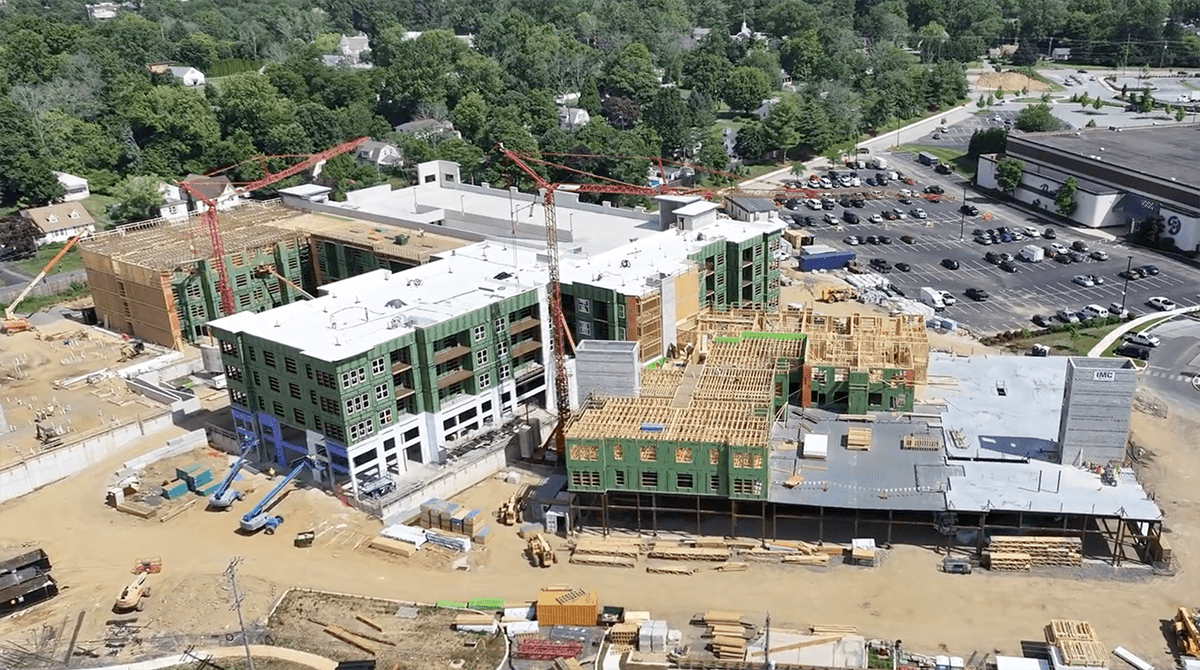
“I have the flexibility to go out and fly when the weather is good and when we’re hitting different milestones on our projects,” Kamienski said.
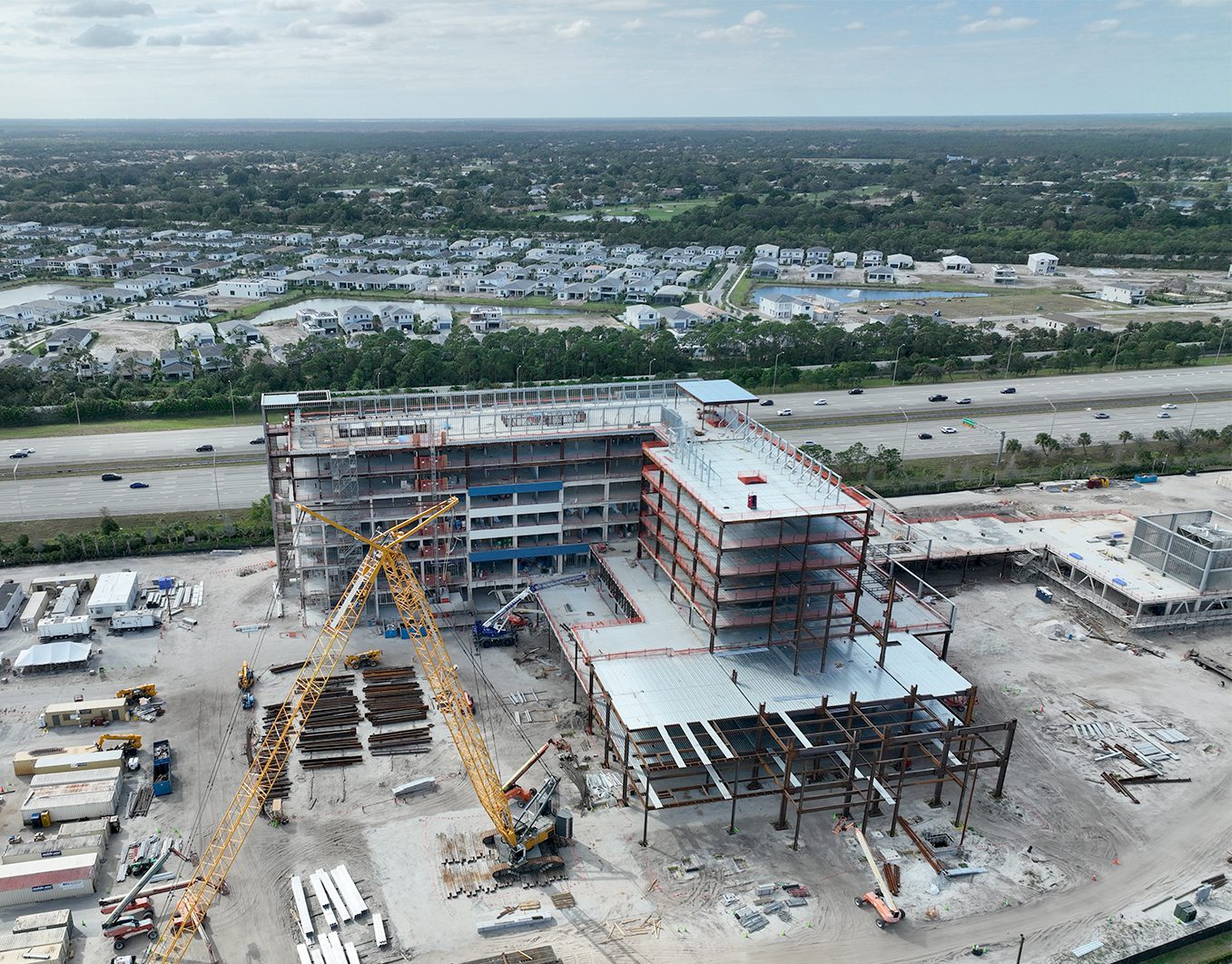
Since Bala specializes in structural and MEP engineering, drones are key to “showing the progression of our projects,” she said. “Everything we do is ultimately contained within walls. So while the beautiful photographs that are taken at the end of a project are great, they don’t show the guts of what we did. Being able to fly a project right from its genesis means we can show the trusses going in, show walls that are still open and MEP systems being installed. We can capture the whole life cycle of a project and highlight our work.”
The drone service also enables Bala to complete façade inspections “without having to install a scaffold or put people in precarious locations,” she said.
Drone footage which Bala shares with project partners and clients, has also become a potent part of bid presentations, she added.
Both Rolfe and Kamienski stress that employee education is vital to a successful drone program.
“Educate everybody about what you are doing so they will know to contact you when a project is approaching a milestone so you can schedule a flight,” Kamienski said.
Staff also need to learn about weather conditions and flight restrictions that can limit drone use, she added.
“People are going to break your best plans, so you have to educate people constantly and establish procedures,” Rolfe said. “For example, we have GCPs – ground point controls – and drone images are adjusted to those points for accuracy. One thing we learned about using GCPs is that, hey, it’s a construction site. They get bulldozed, flipped over, buried, or moved. We had to establish a procedure that when folks walk a job, they check the GCPs.”
Featured in this article: Turner Construction, Bala Consulting Engineers